Scott 3200A Tailwheel – Fully Rebuilt: Precision Steering for Taildragger Aircraft
Scott 3200A Tailwheel – Fully Rebuilt: Precision Steering for Taildragger Aircraft
Blog Article
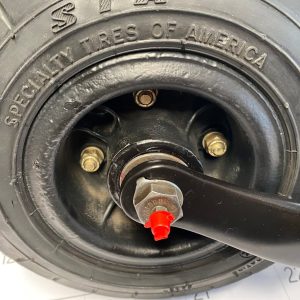
The Scott 3200A Tailwheel – Fully Rebuilt combines an established aviation design with inspected, serviced, adjusted, and replaced components intended to restore dependable mechanical operation. The meaning of fully rebuilt should be supported by information describing disassembly, cleaning, inspection, measurement, lubrication, component replacement, reassembly, adjustment, and functional testing.
The Scott 3200A Tailwheel Assembly combines wheel support, directional steering, swiveling capability, and tail-load management within one compact component. Professional rebuilding can renew worn mechanical relationships when suitable components and procedures are used.
The Aircraft Tailwheel Assembly should remain properly aligned, lubricated, secured, adjusted, and compatible with the complete aircraft steering system. A General Aviation Tailwheel operating mainly on pavement may experience different wear from one used regularly on grass, gravel, dirt, or backcountry strips.
Whether the requirement is an Aircraft Tailwheel, Taildragger Tailwheel, Aviation Tailwheel System, or Tailwheel Steering Assembly, exact compatibility should guide the purchase.
Why Aircraft Owners Choose the Scott 3200A
A fully rebuilt Scott 3200A may offer practical value when its identity, condition, rebuild scope, and aircraft compatibility are confirmed. Maintenance personnel should inspect the complete tailwheel arrangement before concluding that one component is responsible for steering difficulty or shimmy.
Scott 3200A Tailwheel Assembly Features
The assembly is intended to withstand repeated ground operation when installed, adjusted, lubricated, and serviced correctly. The exact work completed should be listed clearly because rebuilt assemblies may differ in scope and component replacement.
Scott Tailwheel Assembly Service Quality
The rebuilder should evaluate corrosion, cracking, bearing condition, spring strength, steering engagement, axle wear, bushing clearance, and fastener serviceability. Transparent rebuild information supports stronger commercial credibility and buyer confidence.
Aircraft Tailwheel Assembly Maintenance
The assembly carries tail weight while managing runway irregularities, side loads, repeated landing cycles, and directional forces. A bent or fatigued tail spring can alter alignment and the aircraft’s ground attitude.
General Aviation Tailwheel Reliability
Maintenance intervals should reflect actual operating conditions rather than calendar time alone. Professional verification helps prevent unsuitable installation and unnecessary project expense.
Aircraft Tailwheel Ground Handling
An Aircraft Tailwheel supports the rear fuselage and helps the airplane move during taxiing, parking, turning, takeoff, and landing. The tire should be inspected for cuts, flat spots, cracking, uneven wear, deterioration, contamination, and correct condition.
Taildragger Tailwheel Performance
Mechanical wear, poor alignment, or unsuitable steering adjustment can increase pilot workload. Taildragger operation may expose the assembly to side loads during crosswind taxiing, landing corrections, tight turns, and directional-control events.
Understanding an Aviation Tailwheel System
A complete inspection helps avoid unnecessary replacement and repeated troubleshooting. Left and right steering connections should be inspected for matching condition and correct installation.
Choosing a Tailwheel Steering Assembly
A Tailwheel Steering Assembly converts rudder-related input into directional movement during taxiing and low-speed ground operations. The mechanism should not interfere with surrounding structure, chains, springs, fairings, or nearby aircraft components.
Maintaining Aircraft Ground Handling Components
Its mechanical condition influences how easily the aircraft can turn and track on the ground. Towing should use appropriate equipment and procedures that avoid overloading steering arms, chains, springs, forks, or mounting structures.
Benefits of the Scott 3200 Series Tailwheel
Its established design supports servicing, adjustment, rebuilding, and parts replacement by knowledgeable aviation professionals. Different Scott 3200 variants, later manufacturing versions, replacement parts, and modified assemblies may exist.
Benefits of a Heavy-Duty Aircraft Tailwheel
The tailwheel should match the aircraft’s suitable configuration, tail load, geometry, and operating environment rather than being selected from appearance alone. Even a robust assembly can wear quickly when the tail spring, steering links, mounting bolts, or alignment are incorrect.
Choosing Tailwheel Aircraft Parts
Correct Tailwheel Aircraft Parts protect the integrity and performance of the rebuilt assembly. The rebuild should examine all interacting parts rather than focusing on external appearance.
Aircraft Steering Tailwheel Performance
The assembly should respond without excessive delay, harsh engagement, binding, or uncontrolled movement. Maintenance personnel should inspect steering arms, springs, chains, fork structure, wheel condition, and mounting points after significant events.
Replacement Aircraft Tailwheel Guide
A Replacement Aircraft Tailwheel should be selected through exact aircraft application, mounting details, tail-spring configuration, steering arrangement, and suitable technical information. A professional pre-installation review protects both the aircraft and the buyer’s investment.
Choosing General Aviation Landing Gear Parts
Each component contributes to aircraft support, ground control, steering, braking, or load absorption. The product description should explain whether components are rebuilt, repaired, serviced, inspected, untested, or sold for parts.
Inspecting a Fully Rebuilt Scott 3200A
The buyer should request enough information for a qualified maintenance professional to review the assembly before purchase.
- Request photographs of the front, rear, sides, wheel, fork, steering arms, mounting area, identification marks, and loose components.
- Arrange professional evaluation when rebuild quality, structural condition, or internal serviceability remains uncertain.
- Inspect and photograph the assembly immediately after delivery before installation, adjustment, disassembly, lubrication changes, or modification.
Commissioning a Rebuilt Scott 3200A
Mounting surfaces, steering springs, chains, hardware, and attachments should be reviewed before the rebuilt unit is installed. Any unexpected behavior should be corrected before normal aircraft operation.
Controlled taxi testing may help confirm steering response, centering, ground tracking, brake interaction, and shimmy resistance.
Long-Term Scott 3200A Care
Long-term maintenance includes lubrication, check here tire inspection, bearing review, steering-link checks, cleaning, fastener inspection, spring evaluation, and monitoring of ground-handling performance. Pilots should inspect the tailwheel before operation for tire damage, loose hardware, bent parts, steering-link condition, contamination, corrosion, and visible misalignment.
Hardware and moving areas should remain visible enough for inspection.
Selecting a Scott 3200A Tailwheel Assembly
When professionally inspected, installed, adjusted, tested, and maintained, the Scott 3200A Tailwheel – Fully Rebuilt can become a reliable component of a compatible conventional-gear aircraft. The assembly should be judged according to total installation suitability rather than fresh paint, brand recognition, appearance, or price alone.
Whether buyers need an Aircraft Tailwheel, Taildragger Tailwheel, Aviation Tailwheel System, or Tailwheel Steering Assembly, qualified inspection remains essential. With careful selection and attention to the complete tailwheel system, owners can reduce shimmy, binding, irregular steering, looseness, and premature wear.
Report this page